Recognizing Early Signs to Prevent Serious Health Complications
Kidney disease affects millions of people worldwide, often progressing unnoticed until it reaches an advanced stage. Since the kidneys play a **critical role in filtering waste, balancing fluids, and maintaining overall health**, early detection is essential to prevent severe complications.
Recognizing Early Signs to Prevent Serious Health Complications
Kidney disease affects millions of people worldwide, often progressing unnoticed until it reaches an advanced stage. Since the kidneys play a **critical role in filtering waste, balancing fluids, and maintaining overall health**, early detection is essential to prevent severe complications.
Understanding Kidney Function
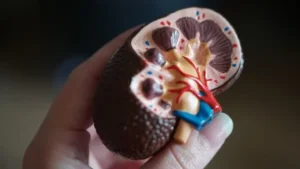
Located just below the ribcage, the kidneys **filter blood, remove waste, regulate blood pressure, produce red blood cells, and balance electrolytes**.
A pair of healthy kidneys filter **120-150 quarts of blood daily**, producing **1-2 quarts of urine** to remove toxins and excess fluids. Kidney disease occurs when the kidneys suffer damage and can no longer perform their essential functions. Common causes include **high blood pressure, diabetes, infections, and genetic predisposition**.
If left undetected, kidney disease can lead to **kidney failure**, requiring **dialysis or a transplant**.
10 Signs of Kidney Disease

1. Changes in Urination
Noticeable changes in urination patterns can indicate kidney issues, including:
Increased or decreased frequency of urination
Foamy or bubbly urine (a sign of protein leakage)
Dark-colored, cloudy, or blood-tinged urine

2.
Fatigue and Weakness
The kidneys produce **erythropoietin (EPO)**, a hormone responsible for red blood cell production.
When kidney function declines, **low red blood cell count (anemia)** can cause **chronic fatigue, weakness, and dizziness**.

3.
Swelling (Edema)
When the kidneys fail to eliminate excess fluids, swelling (edema) can occur in the:
Legs and ankles
Hands and face
Abdomen
4. Persistent Back Pain
Kidney pain is often felt **below the ribcage** or on **one side of the back**.
It can be linked to:
Untreated urinary tract infections (UTIs)
Kidney stones
Polycystic kidney disease (PKD)
5.
Unexplained Weight Loss or Loss of Appetite
As kidney function declines, **waste accumulates in the blood**, leading to **loss of appetite, nausea, and unintended weight loss**.
Recognizing Early Signs to Prevent Serious Health Complications
Kidney disease affects millions of people worldwide, often progressing unnoticed until it reaches an advanced stage. Since the kidneys play a **critical role in filtering waste, balancing fluids, and maintaining overall health**, early detection is essential to prevent severe complications.
Understanding Kidney Function
Located just below the ribcage, the kidneys **filter blood, remove waste, regulate blood pressure, produce red blood cells, and balance electrolytes**.
A pair of healthy kidneys filter **120-150 quarts of blood daily**, producing **1-2 quarts of urine** to remove toxins and excess fluids. Kidney disease occurs when the kidneys suffer damage and can no longer perform their essential functions. Common causes include **high blood pressure, diabetes, infections, and genetic predisposition**.
If left undetected, kidney disease can lead to **kidney failure**, requiring **dialysis or a transplant**.
10 Signs of Kidney Disease
1. Changes in Urination
Noticeable changes in urination patterns can indicate kidney issues, including:
Increased or decreased frequency of urination
Foamy or bubbly urine (a sign of protein leakage)
Dark-colored, cloudy, or blood-tinged urine
2.
Fatigue and Weakness
The kidneys produce **erythropoietin (EPO)**, a hormone responsible for red blood cell production.
When kidney function declines, **low red blood cell count (anemia)** can cause **chronic fatigue, weakness, and dizziness**.
3.
Swelling (Edema)
When the kidneys fail to eliminate excess fluids, swelling (edema) can occur in the:
Legs and ankles
Hands and face
Abdomen
4. Persistent Back Pain
Kidney pain is often felt **below the ribcage** or on **one side of the back**.
It can be linked to:
Untreated urinary tract infections (UTIs)
Kidney stones
Polycystic kidney disease (PKD)
5.
Unexplained Weight Loss or Loss of Appetite
As kidney function declines, **waste accumulates in the blood**, leading to **loss of appetite, nausea, and unintended weight loss**.
6. Nausea and Vomiting
Feeling nauseous, especially in the morning or after meals, can be a **warning sign of toxin buildup** in the body due to poor kidney function.

7. Difficulty Sleeping
Kidney disease can lead to **restless leg syndrome, muscle cramps, or frequent nighttime urination**, all of which can disrupt sleep.

8.
Metallic Taste in the Mouth & Bad Breath
High levels of waste in the bloodstream (**uremia**) can result in:
A **metallic taste** in the mouth
Bad breath (ammonia-like smell)
Loss of interest in eating meat or other proteins

9.
Muscle Cramps and Twitching
Electrolyte imbalances, particularly **low calcium and high phosphorus levels**, can trigger **frequent muscle cramps and involuntary twitching**.
10.
Itchy Skin (Pruritus)
Accumulation of waste products in the blood can cause **generalized itching**, especially as kidney function declines.
Prevention and Early Detection
While kidney disease can have serious consequences, **early detection and lifestyle changes** can significantly improve outcomes.
Here are some **preventive measures**:
Maintain a balanced diet: Eat whole foods, limit processed foods, and reduce sodium intake.
Stay hydrated: Drinking plenty of water supports kidney filtration.
Manage underlying conditions: Control diabetes and blood pressure to reduce kidney damage.
Avoid excessive alcohol and smoking: These habits can contribute to kidney dysfunction.
Exercise regularly: Physical activity supports kidney and heart health.
Follow medication guidelines: Overuse of pain relievers (NSAIDs) can strain kidney function.
Schedule regular kidney check-ups: Those with risk factors should undergo routine blood and urine tests.
Final Thoughts
Recognizing **early signs of kidney disease** can help you take action before complications arise. If you experience persistent symptoms, consult a **healthcare professional** for evaluation and appropriate treatment.
Have You Experienced Any of These Symptoms?
Share your experiences or thoughts in the comments below!