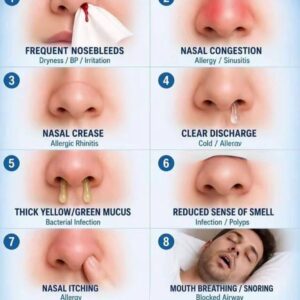
While not all physical symptoms are a cause for concern, ignoring warning signs can let bigger issues go unnoticed. When health is at stake, it is always better to be proactive and consult a medical professional.
Our bodies frequently send signals when something is off. Learning to recognize these subtle physical cues enables you to be prepared, adjust your habits, and know when to consult a doctor.
1. Dandruff and Hair Loss

Having a flaky scalp paired with thinning hair or hair loss is a common combination that often points to micronutrient deficiencies in your daily diet.
Low levels of essential nutrients—including zinc, iron, and B-complex vitamins (B2, B3, B6, and B7)—are frequent causes of scalp and hair health issues.
Key Takeaway: Scalp flaking and hair shedding often signal deficiencies in key minerals and B vitamins—evaluating your nutrient intake can restore health.
2. Wrinkly Hands and Fingers
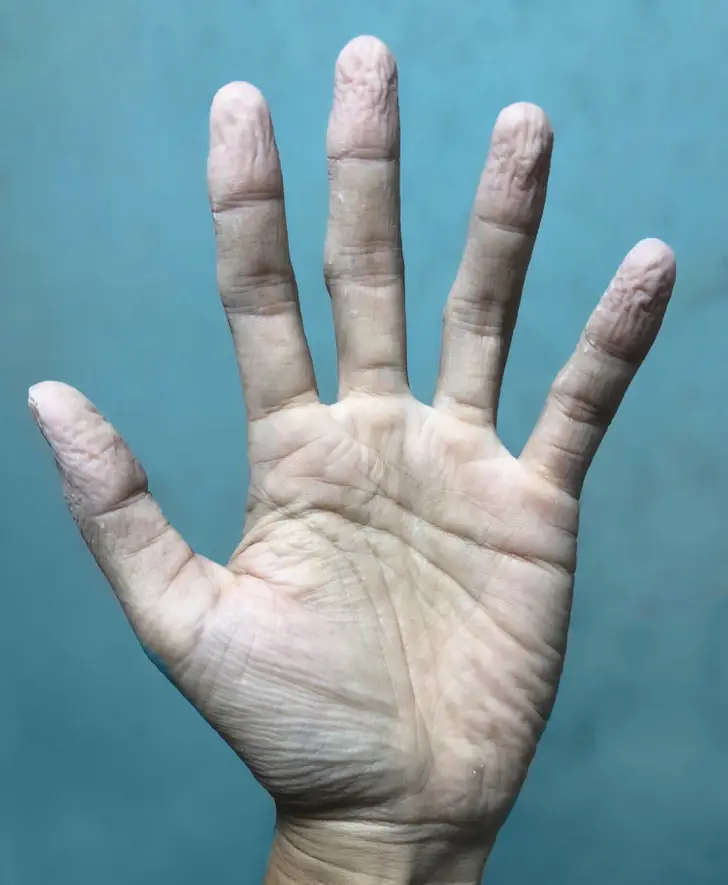
While pruney fingers are normal after prolonged soaking in water, hands that lose elasticity or look excessively wrinkled without water exposure can indicate an underlying issue.
Unexplained wrinkling on your hands and fingers may point to chronic dehydration, poor blood circulation, or thyroid gland dysfunction.
3. White Patches on the Tongue
A healthy tongue generally displays a uniform pinkish hue. The appearance of thick white patches can indicate oral thrush (a fungal infection), which is particularly common in individuals living with diabetes.
Additionally, white coating can stem from inadequate oral hygiene routines, which can usually be resolved by brushing the tongue and improving oral care.

4. Skin Rashes
Red, itchy skin patches are most commonly associated with eczema. However, new rashes—especially when accompanied by a fever or following contact with unknown plants—can stem from viral or bacterial infections.
Because minor skin eruptions can easily develop secondary infections, having unexplained rashes evaluated by a physician is recommended.

5. Swollen Ankles
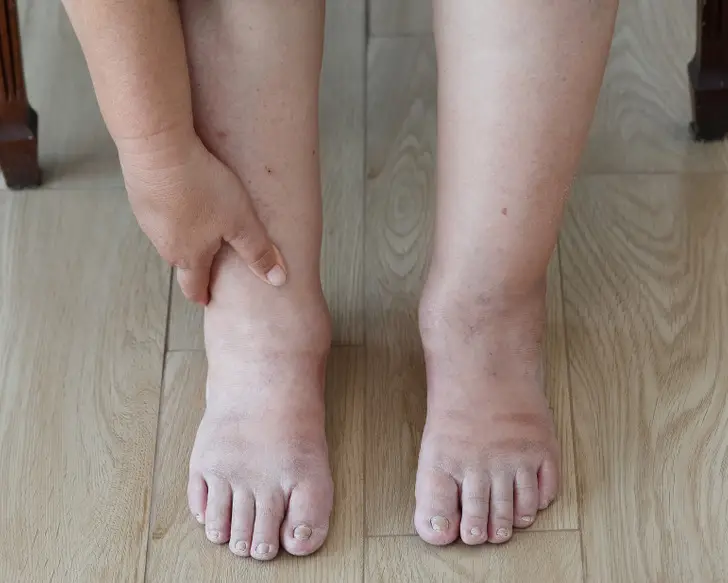
Ankle swelling (edema) is a typical occurrence during pregnancy. When pregnancy is not a factor, however, fluid accumulation around the ankles can point to poor circulation, underlying heart conditions, or an underactive thyroid (hypothyroidism).
A simpler lifestyle cause is excessive sodium consumption, which prompts the body to retain excess fluid.
6. Dry Eyes
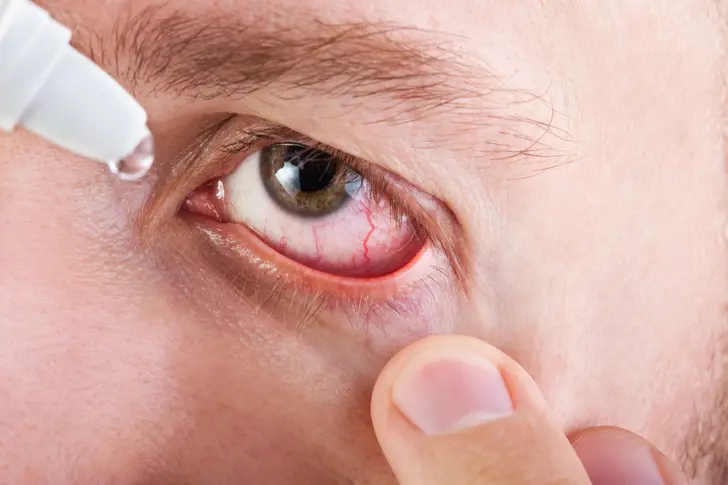
Chronic eye dryness causes burning sensations, inflammation, and potential corneal damage. While aging and certain prescription medications are common culprits, severe dryness can stem from Sjogren’s syndrome.
Sjogren’s syndrome is an autoimmune disorder that affects moisture-producing glands and is typically accompanied by persistent dry mouth.
7. Bloating
Mild fullness after a large meal is normal, but frequent or severe bloating can be a sign of food intolerances or sensitivities. Consuming trigger foods produces excessive gas in the digestive tract, with wheat and gluten being common offenders.

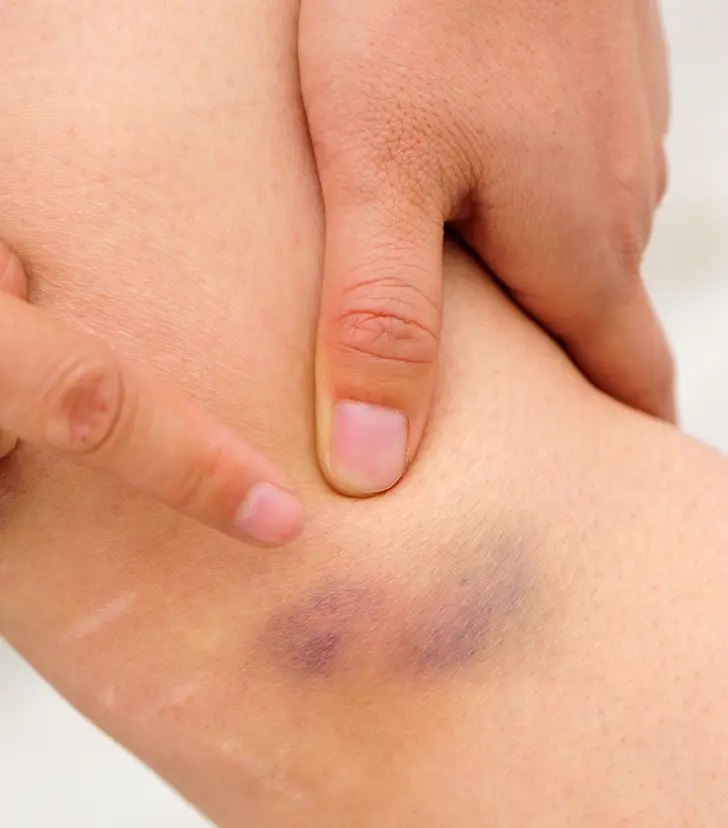
8. Unexplained Bruises
If you regularly discover bruises without remembering any physical impact or injury, it is important to consult a physician. Frequent, unexplained bruising can range from simple vitamin deficiencies to blood clotting disorders.
9. Constant Thirst
While maintaining hydration is crucial, feeling unquenchable thirst despite regular fluid intake is a classic early marker of prediabetes or diabetes.
Excessive thirst (polydipsia) is usually accompanied by frequent urination and chronic fatigue as the body works to flush out excess blood glucose.

10. Random Muscle Twitches
Involuntary muscle twitching (fasciculations) is often triggered by strenuous exercise, elevated stress, dehydration, or sleep deprivation.
However, when muscle twitches become persistent or widespread, they can sometimes signal kidney disease or neurological health conditions.

11. Snoring
While often treated as a simple night inconvenience, loud or habitual snoring can be a symptom of Obstructive Sleep Apnea (OSA).
OSA causes repeated breathing interruptions during sleep. Consulting a sleep specialist can lead to effective treatments, such as continuous positive airway pressure devices, ensuring proper nighttime oxygenation.